
About Janine
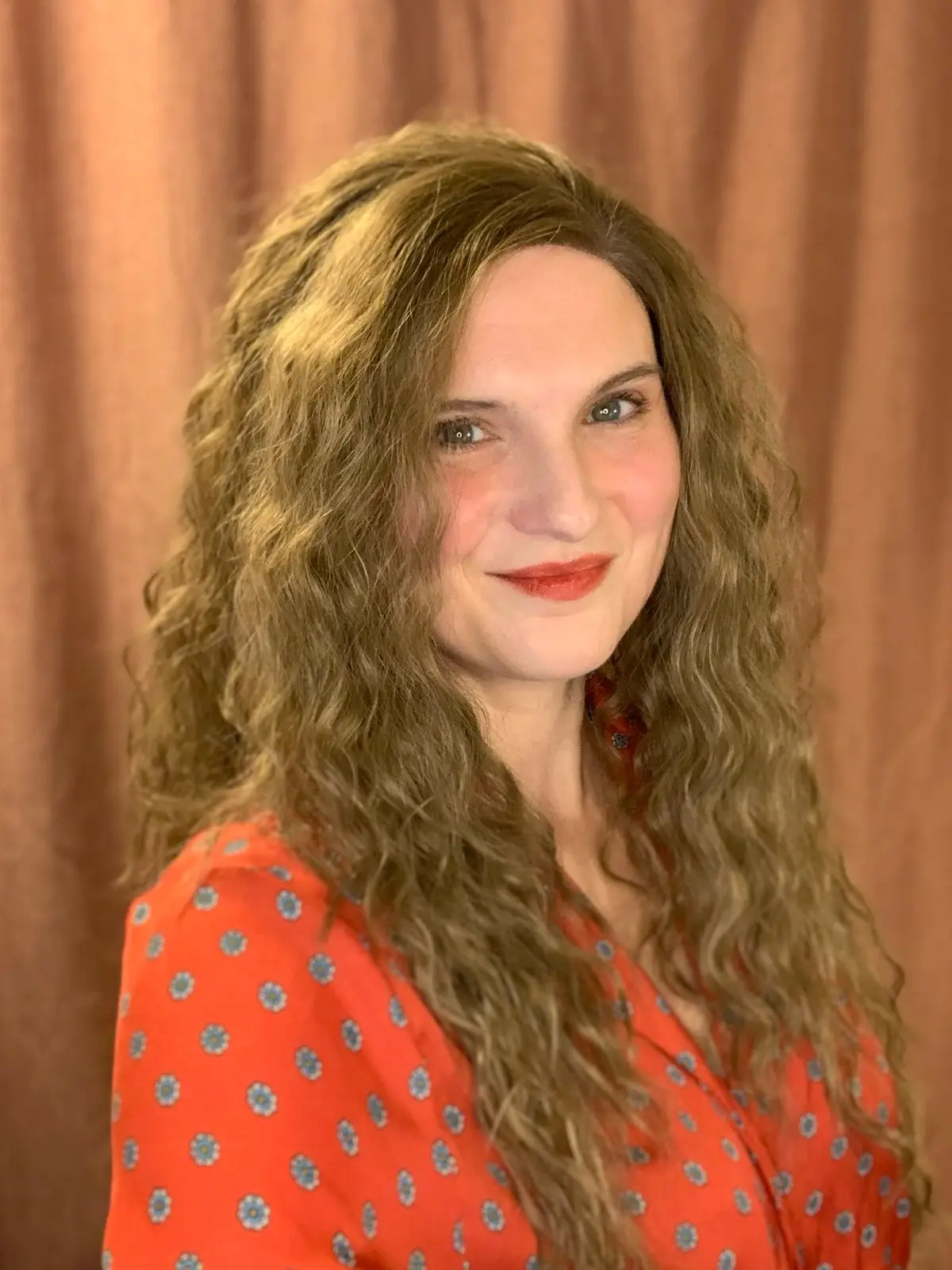
Meet Janine: Storyteller, theatre-maker, hope-builder
Janine Ashley is a Chicago‑based storyteller, theatre artist, and narrative coach who uses story to help people reclaim their voices, their agency, and their sense of possibility together. She treats storytelling as a lived, relational practice—rooted in play, curiosity, and courage—whether she’s working with kids in a classroom or adults building a solo show or workshop.

Storytelling & theatre for young people
As a children’s rights advocate, mother, and former child herself, Janine is passionate about creating safe, playful spaces where kids can tell their own stories, try on big language, and discover that their voices matter. She tells Irish stories, folk tales, and myth in classrooms, libraries, and community spaces, treating storytelling as something everyone in the room does—listening, speaking, moving, and imagining—rather than something that only happens on the page.
Her youth work includes:
Irish and world storytelling for schools, libraries, and community events.
Collaborative storytelling, where kids help shape the story in real time through call‑and‑response, shared imagining, and simple role‑play.
Acting and Shakespeare coaching for young people, helping kids step into big language and big feelings in ways that feel playful, safe, and grounded.
Personal narrative for kids, developing innovative “show‑and‑tell”–style events where children can tell true stories from their own lives, alongside spaces for fictional and traditional tales, with real support around voice, consent, and boundaries.
Parents and educators bring Janine in when they want something more alive than a passive “story time”: they want a space where kids can practice courage, empathy, and creativity by actually doing story—together.

Adult programming: narrative, performance, and agency
Alongside her work with kids, Janine works with adults as a theatre-maker, performer, educator, and coach. She helps writers, solo performers, and other humans use story and performance to understand their lives and move them in new directions. Her teaching and coaching grow out of Theatre for Hope and Healing’s framework of Narrative Arts → Narrative Awareness → Narrative Agency: using creative tools to name the stories and then rewrite the scripts that keep people small.
Her own performance work for adults lives at the intersection of literature, politics, sexuality, and mental health. She is currently developing Mere Animal: A Vindication of Mary Wollstonecraft, a 90‑minute solo dark comedy about self‑authorship, public shaming, and women’s rights to the full human experience. It’s a piece for grown‑up audiences—frank about sexual agency and misogyny, and just hopeful enough to be dangerous.

The Safe Place to Play Method
A safe place to play is a safe space to grow—but no one can guarantee that every room will always feel safe. Safe Place to Play starts from a different center: learning to make your own body a reliable place to be present while you do big, risky, human work.
In Janine’s rooms, the focus is not on forcing emotion or “pushing harder,” but on discovering that your body already knows how to ride intense feelings and come back from them. Together, you practice:
-
trusting that you can feel big emotions fully (grief, rage, desire, terror) without drowning in them,
-
using that “yellow light” zone—heightened, alive, intensely activated—without sliding into a true red‑zone overwhelm, and
-
returning to that grounded, everyday “green” in your body when the scene or story is over.
Once an actor knows in their bones that they can go there and come back, it gets much easier to shed ego, let a character move through them, and still stay anchored in themselves. From that foundation, Janine brings in detailed narrative and character work—digging into language, worldview, and relationships—so that when it is time to step into Hamlet, Mary Wollstonecraft, or a kid’s own invented hero, the actor can simply be there, present and truthful, instead of braced against what they’re afraid they might feel.
This approach is as useful in a solo-show rehearsal as it is in storytelling circles with kids: the work is the same practice of making a brave, flexible body that can hold a story, tell it honestly, and return to safety afterward.

Background & approach
Janine has spent most of her life telling stories in one form or another—traditional tales, mythology, Shakespeare, and now deeply personal narrative work. She holds a BA in Theatre and English and a Master’s in Folk Studies, and treats plays, historical figures, and everyday lives with the same respect folklorists give to the stories that shape a culture. That mix of scholarship, play, and lived experience shapes her work whether she’s in a third‑grade classroom, a black box theatre, or a one‑on‑one coaching session.
Over the last several years, she has been developing and testing three core threads that run through everything she does: Safe Place to Play, Slow Theatre, and what she calls the Narrative Triad. Safe Place to Play is her actor and storyteller method for helping people make their own bodies the safest place in the room for big feelings, so they can step into characters and stories with more presence and less fear. Slow Theatre is a way of making and sharing plays that deliberately slows the pace of rehearsal and performance to create space for reflection, emotional connection, and nervous‑system gentleness, prioritizing the journey of the story over rushing to a polished finish line.
The Narrative Triad is the backbone of Theatre for Hope and Healing’s mission: the dynamic relationship between story, self, and community. In practice, that means using theatre and other narrative arts to help individuals claim authorship over their own stories, expand their sense of what stories are possible, and share that work in community spaces where many truths can exist side by side. It’s the framework behind THH’s performances, workshops, and conversations centered on narrative agency, narrative pluralism, and theatre as a healing art accessible to everyone—not just “professional actors.”
Janine co‑founded Theatre for Hope and Healing, an international company and community dedicated to theatre and narrative arts as tools for personal and collective wellness. Through THH she co‑creates slow theatre rituals like Ibsen’s Ghosts: A Slow Theatre Ritual for Mental Health & Collective Healing, runs coaching and education offerings, and helps hold spaces where performance, discussion, and mental‑health resources live side by side.
She is also a Global Arts in Medicine Fellow and an active advocate for the social prescription of theatre in the United States—arguing that theatre performances and classes can and should be prescribed as part of mental‑health and community‑health care. Through programs like Radical ReStoryation and ongoing THH projects, she is experimenting with and developing practical methodology to make that prescription real in clinics, schools, and community settings.
Janine is also a single mom of two, which means many of her projects are written in the margins of real life: between school drop‑offs, voice acting sessions, and whatever dinner becomes that night. That reality keeps her work grounded in actual bodies and families, not just abstract theory. If you’re looking for storytelling or theatre programming for young people—or if you’re an adult with a story that won’t leave you alone—you’re in the right place.